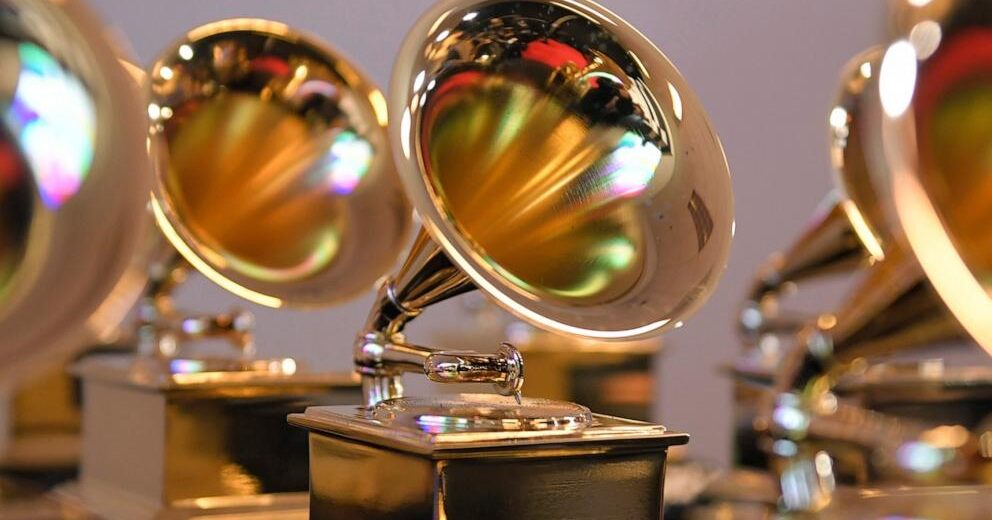
The global music landscape is undergoing a massive shift, and the Recording Academy is finally taking concrete steps to acknowledge it. In a groundbreaking announcement that has sent shockwaves through the international music community, the Grammys 2027 will feature five brand-new categories, most notably the highly anticipated “Best Asian Pop Music Performance.” This monumental decision marks a pivotal moment for K-Pop, J-Pop, and C-Pop artists who have long dominated global charts but often found themselves overlooked by Western awards institutions. As the 69th Grammy Awards approach on February 7, 2027, the introduction of this category represents both a triumph of representation and a complex new chapter in the ongoing relationship between Asian artists and the American music industry.
Understanding the “Best Asian Pop Music Performance” Category
To truly grasp the impact of this new addition, we must first look at how the Recording Academy defines it. The Best Asian Pop Music Performance category is designed to recognize artistic excellence in Asian pop music performances that originate from or are widely recognized within Asian markets. This explicitly includes, but is not limited to, K-Pop, J-Pop, and C-Pop. However, the most crucial and debated element of this new rule is the language requirement: eligible tracks must feature the “meaningful use of one or more Asian languages.”
This linguistic stipulation fundamentally changes the playing field. For years, many top-tier K-Pop acts have released fully English tracks specifically tailored to court Western audiences and, by extension, Grammy voters. Under the new guidelines, massive English-language hits like BTS’s “Dynamite” or “Butter,” or KATSEYE’s entirely English discography, would not qualify for this specific category. Instead, the award aims to honor music that retains its native linguistic identity. Tracks performed primarily in Korean, Japanese, Mandarin, or Cantonese will be the focus. Bilingual tracks, such as Rosé and Bruno Mars’s recent smash hit “APT.,” which blends Korean and English, could potentially qualify depending on how the Academy interprets “meaningful use.” This rule seems designed to celebrate Asian pop in its authentic form rather than rewarding tracks that dilute their cultural origins for crossover appeal.
Grammy CEO Harvey Mason Jr. addressed the motivation behind these changes, emphasizing the Recording Academy’s commitment to evolving alongside the industry. “Asian pop music is one of the most significant and sustained forces in the global music industry,” Mason stated. “Its impact is well-established, and it continues to grow and shape music culture around the world. There’s so much music coming out of that region, between J-pop and Mandopop and K-pop, and I’m so excited to recognize its impact in next year’s show.”
K-Pop’s Long and Frustrating History with the Grammys
The creation of the Best Asian Pop Music Performance category does not exist in a vacuum; it is the culmination of years of tension, record-breaking achievements, and perceived snubs. The relationship between K-Pop and the Grammys has been famously fraught. BTS, the undisputed titans who brought K-Pop to unprecedented heights in the West, experienced this firsthand. Between 2021 and 2023, the septet received three consecutive nominations for Best Pop Duo/Group Performance for their English-language crossover hits “Dynamite,” “Butter,” and their Coldplay collaboration “My Universe.” Despite dominating the Billboard Hot 100 and breaking global streaming records, they walked away empty-handed each time, losing to Western pop heavyweights like Lady Gaga, Ariana Grande, Doja Cat, and SZA.
The frustration within the K-Pop fandom, particularly ARMY, was palpable. The recurring narrative was that the Grammys were happy to use K-Pop acts for viewership and spectacular performances but reluctant to hand them the actual hardware. However, the tide began to turn slightly at the 2026 ceremony. BLACKPINK’s Rosé achieved a historic milestone by securing three nominations, including Record of the Year and Song of the Year, for “APT.” This marked the first time a K-Pop lead artist landed a Big Four nomination. While these recent nods reflected a broadening perspective within the Recording Academy, they also made the absence of a dedicated structural category for the booming Asian pop market increasingly glaring. The 2027 Grammys aim to rectify this structural gap.
The Debate: Meaningful Recognition or Industry Segregation?
While the announcement of the Best Asian Pop Music Performance category has been met with widespread excitement, it has also sparked a fierce debate regarding its long-term implications. The core of the argument revolves around the delicate balance between recognition and segregation. Will this new category finally give Asian artists the spotlight they deserve, or will it serve as a gilded cage that keeps them out of the general fields?
Many industry insiders draw parallels to the creation of the Best Rap Album category in 1996. At the time, some within the hip-hop community argued that a separate category implied rap was not legitimate enough to compete for the prestigious Album of the Year award. It took decades for hip-hop to consistently break into the Big Four categories. Critics of the new Asian pop category fear a similar trajectory. If acts like BTS, BLACKPINK, or SEVENTEEN win Best Asian Pop Music Performance but are subsequently ignored in the Record or Album of the Year races, the category might look less like an expansion of honors and more like a tool to acknowledge commercial dominance without integrating Asian pop into the main competition.
Furthermore, the category’s broad umbrella has drawn criticism. Asia is a massive continent comprising dozens of countries and thousands of musical traditions. Lumping the diverse sounds of South Asia, Southeast Asia, and East Asia into a single “Asian Pop” category seems reductive to some. A Hindi film soundtrack, an Indonesian pop track, and a Korean idol group release operate in vastly different musical ecosystems, yet they might now compete for the same singular trophy. Contrast this with the Latin Recording Academy, which boasts an entirely separate Latin Grammys with dozens of highly specific categories.
However, proponents argue that the award is additive, not restrictive. A Korean-language track submitted for Best Asian Pop Music Performance can still be submitted for Best Pop Duo/Group Performance or Record of the Year simultaneously. As Harvey Mason Jr. noted, “2027 is going to be an amazing year for the Grammy Awards, and one that reflects the extraordinary growth we’re seeing across music.” If Asian artists can win this new category while continuing to secure nominations in the general fields, it will undoubtedly be seen as a massive victory for global music representation.
Looking Ahead: Potential Contenders for the Grammys 2027
With the eligibility window for the 69th Grammy Awards set between August 31, 2025, and August 28, 2026, the race for the inaugural Best Asian Pop Music Performance trophy is already heating up. The K-Pop industry is packed with heavy hitters releasing critically acclaimed and commercially successful music during this period.
BTS’s highly anticipated post-military reunion projects, including their recent track “Come Over,” are strong early contenders. SEVENTEEN, known for their self-producing prowess and massive global tours, have released unit projects that perfectly fit the criteria. Girl groups like LE SSERAFIM, aespa, and (G)I-DLE have been dominating the charts with Korean-language hits that showcase the innovative production and dynamic performances the category seeks to reward. Additionally, veteran acts like BIGBANG, preparing for their 20th-anniversary releases, could bring a sense of legacy and prestige to the nominations.
Beyond K-Pop, the Japanese music scene offers formidable competition. Record-breaking duo YOASOBI, who have achieved unprecedented international streaming success, and the enigmatic vocalist Ado, are prime candidates. The inclusion of these diverse acts ensures that the inaugural Best Asian Pop Music Performance category will be fiercely competitive and historically significant.
Ultimately, the addition of this category at the Grammys 2027 is a watershed moment. It forces the Western music industry to formally grapple with the undeniable power and artistry of Asian pop music. Whether it serves as a stepping stone to universal recognition or a specialized niche remains to be seen, but one thing is certain: the global soundscape has changed forever, and the Recording Academy is finally tuning in.